
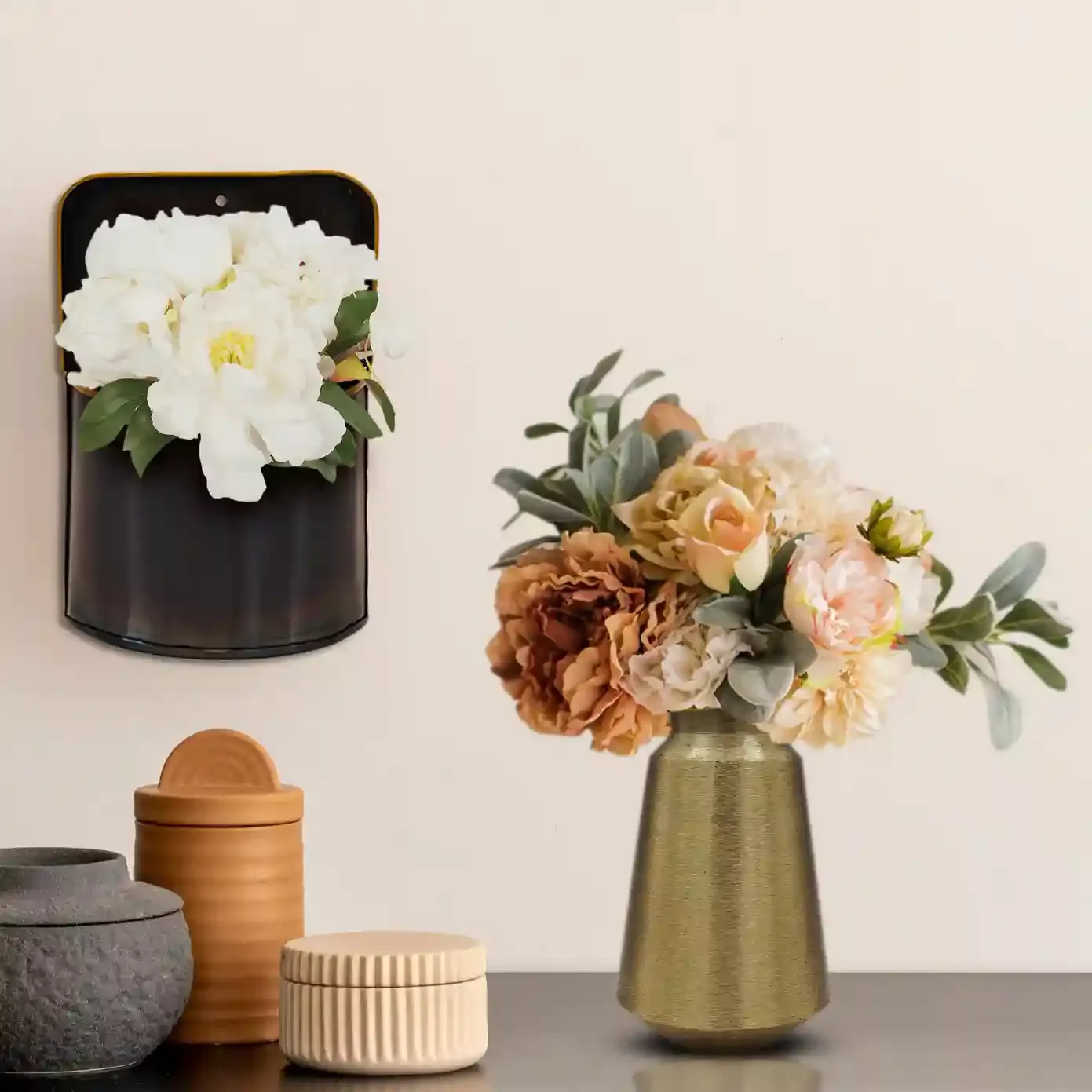
Welcome to college! Get ready for late-night study sessions, lifelong friendships, and… a tiny room with cinder block walls and fluorescent lighting that has all the charm of a storage unit. Let’s be honest, the standard-issue dorm room is often a place of high stress and low inspiration. It’s your new home, your classroom, and your social hub all rolled into one shoebox-sized space. However, what if you could transform it from cramped and clinical to calm and creative with one simple, affordable upgrade?
This is where the humble houseplant comes in. This isn’t just about making your room look good for Instagram (though it will). In fact, this is a strategic move to survive and thrive during your college years. We’re talking about tapping into the power of biophilia—our brain’s innate, hardwired connection to nature and living things. Consequently, when you spend hours staring at textbooks and screens, bringing a touch of green into your space isn’t just a trend; it’s a way to satisfy a deep-seated need that can help you feel better, think clearer, and create a personal sanctuary.
Ready for the ultimate dorm room glow-up? Here are five space-savvy, budget-friendly, and science-backed dorm room plant ideas to turn your little lair into the ultimate zen zone.
More Than Just Decor: Why Your Brain Craves Greenery (And Your Grades Might, Too)
First, before we get into styling tips, let’s talk about the why. Placing a plant in your room is more than just decoration; it’s a smart investment in your well-being and academic performance. Think of it as a wellness tool that doubles as decor. Indeed, the benefits are so significant that researchers have explored how biophilic design—incorporating natural elements into built environments—can enhance learning and reduce stress in educational settings.

The Science of Calm: Your Natural Stress-Reducer
To begin with, college life is a pressure cooker of deadlines, exams, and social navigation. This constant pressure can elevate levels of cortisol, the body’s primary stress hormone. Consequently, here’s where your green roommate comes in. Multiple studies have shown that interacting with indoor plants can significantly reduce both psychological and physiological stress. For example, one 2015 study found that actively caring for a plant helped suppress sympathetic nervous system activity (your “fight-or-flight” response) and lowered diastolic blood pressure. Participants reported feeling more comfortable and soothed after working with a plant compared to working on a computer—a finding every student can relate to. Ultimately, by bringing nature indoors, you’re creating a personal restorative space that actively works to lower your stress levels, which is critical for both mental health and academic success.
The Ultimate Study Hack: Restoring Your Focus
Moreover, ever feel like your brain is fried after just an hour of studying? That’s mental fatigue. Attention Restoration Theory (ART) suggests that our ability to focus on tasks (called directed attention) is a limited resource. When it runs out, we get distracted and lose productivity. Natural environments, however, engage our “involuntary attention” effortlessly, giving our directed attention a chance to rest and recharge.
Fortunately, you don’t need a walk in a forest to get this benefit. Simply having plants in your room provides a “micro-restorative” experience. For instance, a quick break to water your plant or just gaze at its leaves can help you recover from mental fatigue more effectively than scrolling through your phone. Research supports this, with studies showing that the presence of indoor plants can enhance cognition, improve performance on attention-based tasks, and even boost academic achievement. In one remarkable study at a middle school, students in a classroom enriched with biophilic elements saw their math test score averages increase more than three times higher than the control group over a seven-month period. This powerful connection suggests that a few well-placed plants could be one of your most effective study aids.
Boost Your Mood and Banish the Blues
Finally, living away from home for the first time can be tough, and it’s normal to feel anxious or down. Plants can be a powerful ally for your mental well-being. Studies have consistently found a positive association between houseplants and improved mood, with research indicating they can decrease depressive moods and lessen symptoms of anxiety. In addition, the simple act of caring for another living thing provides a sense of purpose and connection, creating a symbiotic relationship: you care for the plant, and in turn, it improves the air you breathe and the space you live in, reminding you of growth and hope.

The Desk Oasis: Your Ultimate Study-Sesh Sidekick

First and foremost, your desk is command central. It’s where you’ll write papers, cram for exams, and spend countless hours. Unfortunately, it’s also ground zero for stress. Transforming this high-stakes zone into a “Desk Oasis” isn’t just about aesthetics; it’s about creating a designated space for focus and calm, applying the principles of Attention Restoration Theory on a micro-scale. The good news is, you don’t need a jungle to feel the benefits—a single, well-chosen plant can make all the difference.
Key Styling Tips for Your Desk
- Start Small, Win Big: In a cramped dorm, every square inch counts. Therefore, opt for small-footprint plants that deliver a big impact. A tiny succulent, an air plant, or a small snake plant can provide that crucial dose of green without cluttering your workspace. This approach aligns perfectly with minimalist dorm trends, which favor clean, organized environments that promote focus.
- Styling Tip 1: The Rule of Three: For a look that feels intentional and professionally styled, try grouping three small plants or pots together. Specifically, arrange them in a cluster, varying their heights and textures to create visual interest. This design principle draws the eye and makes a stronger statement than three separate items scattered around. For this, you could use a few of our Kate white plant pots from the 6-pack. Their clean, minimal style won’t distract you while you study, and their small size is perfect for creating a stylish trio on your desk or a nearby shelf.
- Styling Tip 2: Frame Your Workspace: Additionally, use a plant to define the edge of your study zone. Placing a plant next to your monitor or at the corner of your desk creates a natural visual boundary. This simple act of “framing” your workspace with greenery can make it feel more organized and purposeful, subtly signaling to your brain that this is a zone for focus.
For these compact desk setups, choosing the right container is key. You need something stylish but unobtrusive.
- For a single, powerful statement, the Lincoln Ceramic Round Vase – 6”H or the Maverick Ceramic Succulent Pot Planter are perfectly scaled for a tiny succulent or a delicate air plant.
- If you enjoy propagating plants from clippings (a fun and free way to get more plants!), our Miranda Vase (5″H) and Carrie Vase (6.25″H) are ideal for holding single stems of pothos or philodendron in water, adding a touch of green without the footprint of a full pot.
By turning your desk into an oasis, the plant becomes more than a passive object; it becomes an active tool. As a result, the simple act of looking at it during a study break becomes a deliberate, focus-restoring technique, making these small pots your ultimate study-sesh sidekicks.
Go Vertical: Damage-Free Ways to Maximize Your Space

When it comes to dorm life, the two cardinal rules are: space is limited, and you can’t damage the walls. While this can feel creatively stifling, it’s actually an invitation to think differently. Therefore, the solution is to go vertical. Using your wall space is the single best way to add personality and life to your room without sacrificing precious floor or desk real estate.
The biggest fear for any dorm dweller is losing that security deposit over a few nail holes. For this reason, leading with a damage-free strategy is essential. By addressing this primary pain point head-on, you can decorate with confidence and peace of mind.
Mastering Damage-Free Wall Decor
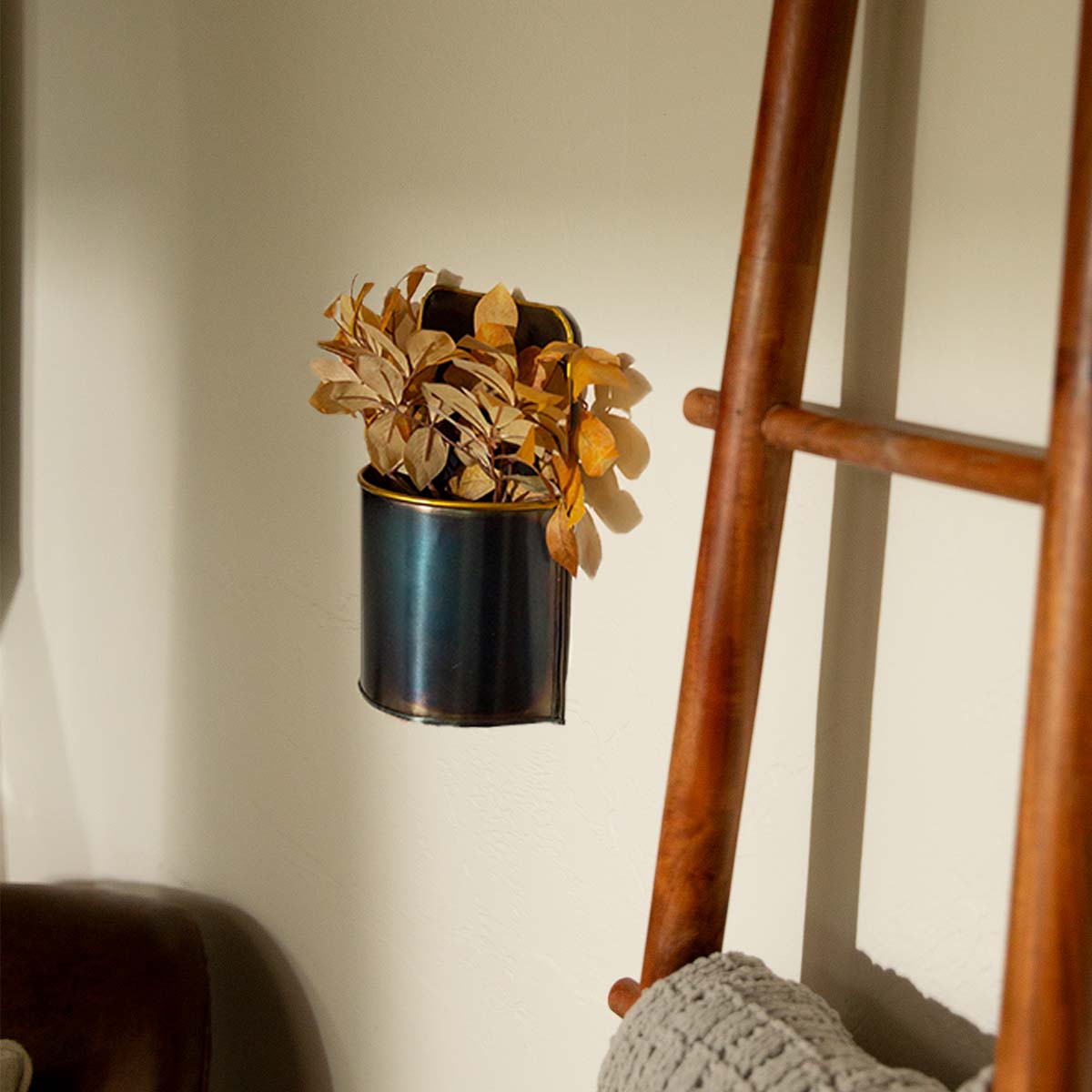
- The Damage-Free Hero: Command™ Hooks: These adhesive strips are a college student’s best friend. They are strong, reliable, and, most importantly, they remove cleanly without leaving a trace. Use them to hang lightweight planters, macrame hangers, or even create a trailing vine wall. Pro tip: For maximum adhesion, always clean the wall surface with rubbing alcohol before applying the strip, as instructed on the package.
- DIY a Boho Vibe with Mini Macrame: Next, embrace the popular boho dorm trend with a simple and budget-friendly DIY project. You can create your own mini macrame plant hangers using basic twine or yarn. Just cut a few strands, tie them in a simple net pattern, and hang them from a clear Command™ hook. It’s a personalized touch that adds texture and warmth to sterile dorm walls.
- Create a “Living Wall” with Ledges and Pockets: To make a bigger statement, use damage-free display ledges, like those from Command™ Hooks, to create a floating shelf for a few small pots. Another sleek, modern option is a wall-mounted planter. Our Lucknow Wall Pocket Metal Black Planter is a perfect candidate. At 9.5 inches, it’s large enough to hold a beautiful trailing plant like a pothos but lightweight enough to be hung securely with a sturdy, damage-free wall hook. Arranging a few of these pockets or ledges creates a stunning “living wall” effect that becomes a major focal point in the room.
By pairing Vert Nook’s stylish, lightweight products with proven damage-free hanging methods, you’re not just buying a pot; you’re buying a complete, worry-free solution to one of the biggest dorm decorating challenges.

Vibe Check: Matching Plants to Your Dorm’s Aesthetic
Ultimately, your dorm room is your canvas. It’s the one space on campus that is entirely yours to personalize. Whether you’re a minimalist, a boho dreamer, or a lover of all things colorful, plants can enhance your style. Of course, the key is choosing the right plant and the right pot to match your vibe.
This is where the versatility of Vert Nook’s collection truly shines. Our modern, minimalist pots in neutral colors like white, black, and metallic aren’t a limitation; they are a “style chameleon.” They don’t define your style—they adapt to it. As a result, this makes them a safe, future-proof purchase that can evolve with your tastes throughout your college years and beyond.
Here’s how to match our pieces to the most popular dorm trends:
For the Minimalist: Clean Lines and Sculptural Shapes

The minimalist aesthetic is all about clean lines, neutral colors, and creating a calm, uncluttered environment. This style is perfect for promoting focus and relaxation.
- The Plants: First, choose plants with strong, sculptural shapes like a Snake Plant or a ZZ Plant.
- The Pots: Then, pair them with our sleekest containers. The clean lines of the Henley White Decorative Plant Pots or the sophisticated finish of the Melanie Decorative Pot perfectly complement a minimalist space. Their simple elegance enhances the vibe without adding visual noise.
For the Boho Dreamer: Lush Textures and Wild Vibes
The bohemian look is warm, eclectic, and full of texture. It’s about creating a cozy, personal sanctuary.
- The Plants: For this style, opt for lush, trailing plants that feel a bit wild, like a Golden Pothos, a Heartleaf Philodendron, or an English Ivy.
- The Pots: This is where you can get creative with layering. For example, use one of our modern pots as a base and place it inside a larger woven wicker or seagrass basket to instantly add that boho texture. Or, use a simple pot like our Kate white plant pot in one of the DIY macrame hangers mentioned earlier. The contrast between the modern pot and the natural hanger is effortlessly chic.
For a Pop of Color: Let the Plant Be the Star
If your style is more maximalist or you just want to inject some energy into your space, plants are a great way to do it.
- The Plants: In this case, let the plant be the star. Choose varieties with vibrant foliage or flowers, like a Red Anthurium, a Stromanthe Triostar with its pink and green leaves, or a Philodendron Prince of Orange.
- The Pots: A neutral pot acts like a frame in a gallery, allowing the plant’s natural color to take center stage. Our Melanie Decorative Pots provide a subtle texture that adds interest without competing with a colorful plant. The principle is simple: a clean, neutral base makes vibrant colors pop even more.
No matter your color scheme, green is a fantastic choice. In color theory, green is incredibly versatile and complements nearly every other color, bringing a sense of freshness and life to any palette. Against the neutral beige or white walls of most dorms, a green plant provides a perfect, calming focal point.
The Low-Maintenance Debate: Real vs. Faux for the Busy Student
Now, let’s be real: you’ve got classes, clubs, a social life, and maybe even a job. The idea of becoming a “plant parent” can feel like one more responsibility you don’t have time for. Therefore, the question is: should you go for a real, living plant or a high-quality artificial one? There’s no wrong answer—it’s all about what fits your lifestyle.
This is a key decision point for any practical student weighing time, money, and effort. So, here’s an honest, side-by-side comparison to help you choose your path.
| Factor | Real Plants | Artificial Plants |
| Maintenance | Requires watering, light, and care. A living responsibility. | Zero maintenance. Just an occasional dusting. |
| Well-being | Proven to purify air, reduce stress, and boost mood. | Provides visual benefits and can improve ambiance, but doesn’t purify air. |
| Upfront Cost | Generally lower initial cost for the plant itself. | High-quality fakes can have a higher upfront cost. |
| Long-Term Cost | Potential costs for fertilizer, new soil, or replacement if it dies. | One-time purchase that lasts for years. More cost-effective over time. |
| Dorm-Friendly? | Some plants can be toxic to pets (a roommate’s concern) or attract pests. | Always pet-safe, allergy-friendly, and pest-free. |
| The Vibe | Dynamic and ever-changing. The pride of nurturing a living thing. | Static but always looks perfect. A reliable decorative element. |
The Case for Real: The Authentic Experience
For those who crave the authentic connection and health benefits, a real plant is unbeatable. The pride you feel watching it grow is a reward in itself. Furthermore, you don’t need a green thumb to succeed. The key is to choose one of the famously “hard to kill” varieties that can handle the typical dorm environment (i.e., low light and occasional neglect). For credible, detailed care information on any plant you choose, check out a university extension service like the plants.
Top 3 “Impossible to Kill” Dorm Plants:
- Snake Plant (Sansevieria): The undisputed champion of neglect. It tolerates low light, needs water only about once a month, and actually helps purify the air.
- ZZ Plant (Zamioculcas zamiifolia): This plant literally thrives when you forget about it. Its underground rhizomes store water, making it extremely drought-tolerant. In other words, it’s perfect for a busy student.
- Pothos (Epipremnum aureum): Beautiful, fast-growing, and incredibly forgiving. It will tell you when it’s thirsty by drooping slightly, and it perks right back up after watering. It’s happy in a range of light conditions.
The Case for Faux: The Zero-Stress Solution
On the other hand, if the thought of one more responsibility sends you into a panic, embrace the beauty of artificial plants. Thanks to modern materials, high-quality faux plants are incredibly realistic and offer all the style with none of the stress. In short, they are the ultimate set-it-and-forget-it decor. You can place them in a dark corner where a real plant would never survive, you never have to worry about pests, and they are always safe for roommates’ pets or friends with allergies.
The best part? Our entire collection of pots and vases is designed to work beautifully for either path. The Maverick Ceramic Succulent Pot Planter look just as chic holding a row of real succulents as they do with a high-quality faux arrangement. And our elegant vases, like the Oddessy Glass Vase, are perfect for showcasing realistic faux stems that provide year-round color with zero effort.
Your Green Getaway Awaits
In conclusion, your dorm room is more than just a place to sleep—it’s your command center, your study sanctuary, and your retreat from the hustle of campus life. Making it a space that truly supports your well-being and success is one of the most important things you can do for yourself in college.
First, we’ve shown you the science: plants are a proven tool to reduce stress and sharpen focus. Next, we’ve given you the hacks: you can create a stunning green oasis even in a tiny, damage-free-only space. And finally, we’ve shown you the style: from minimalist to boho, there’s a plant and pot combination that will perfect your personal vibe.
Now it’s your turn to create a space that helps you thrive.
Ready to turn your dorm from drab to fab?
Explore our curated collection of minimalist pots, modern vases, and dorm-perfect decor. Find the perfect foundation for your new green study buddy.

Got your Vert Nook setup styled? Show us! Tag us on Instagram @VertNook with #VertNookDorm for a chance to be featured on our page. We can’t wait to see the oasis you create.
